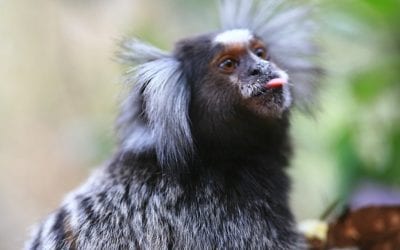
Marmoset monkeys develop not only a form of “language” to adjust to social encounters, but they also develop accents and dialects, a new study finds. These cute primates are great models for us to understand better the formation and evolution of language.
Science Now
Here you can find the latest in science news, scientific discoveries. Written and explained with humorous twist, of course.
Anti-Solar Panels for When the Night is Dark and Full of… Light
A team of engineers from Stanford University managed to turn the darkness of space into light with the help of anti-solar panels. Is mankind going to soon embrace a Lord of Light brought by science, not magic? Let’s all hope so!
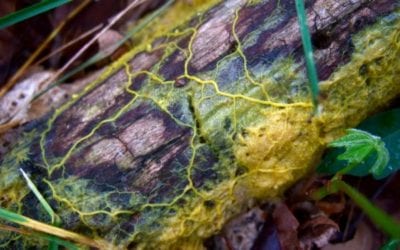
Meet “The Blob”: The Slime Mold that Learns Without a Brain
A slime mold is not a fungus, nor plant, nor animal. The latest Blob exhibited in Paris Zoo baffles scientists with its abilities to learn and behave intelligently in the total absence of a… brain.
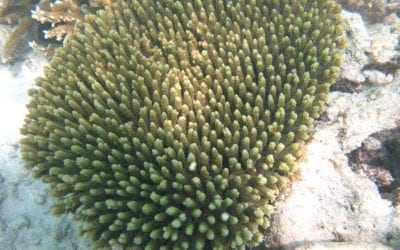
How Chemical Potions and Hungry Fish Protect Coral Reefs
Protecting corals should be a global concern, as these true wizards of the marine world play critical roles in preserving ecosystems. Recent studies show that even if water warming is a serious threat to corals, they are not yet beyond hope.
Meet MyShake: The Earthquake Detector in Your Pocket
Earthquakes give a lot of people a lot of trouble, especially in California. However, thanks to Berkley University, now we have MyShake, a warning app that can even turn your phone into a veritable earthquake detector.
This Year’s Planetary Congress, almost as Sci-Fi as You’d Imagine
Corresponding with the 50th Anniversary of the Apollo 11 Moon Landing, this year planetary congress’s theme was “Celebrating Apollo: Inspiring the Future.” As NASA gets ready to return to the moon, chatter inevitably ensues about how to stand on the shoulders of the Apollo giants and continue space exploration farther into the future.